
Surfaces Built for Daily Use
Flatwork Concrete in the Tullahoma area for level outdoor surfaces that handle foot traffic and weather exposure
Cracked patios, uneven walkways, and deteriorating slabs signal that existing flatwork has reached the end of its functional life. Local Concrete Services installs flatwork concrete throughout Tullahoma, Lynchburg, Sewanee, and surrounding areas, addressing residential needs from backyard entertainment areas to functional walkways connecting different parts of your property. The work involves forming level surfaces that shed water properly while supporting their intended use without settling or cracking prematurely.
Flatwork installation requires accurate grading to prevent water from pooling on finished surfaces or draining toward building foundations. Reinforcement type—whether wire mesh or rebar—depends on surface size and expected load, while finishing techniques determine both appearance and traction characteristics.
Request a consultation to evaluate your property and discuss flatwork options that match your outdoor improvement plans.
How Flatwork Addresses Property Needs
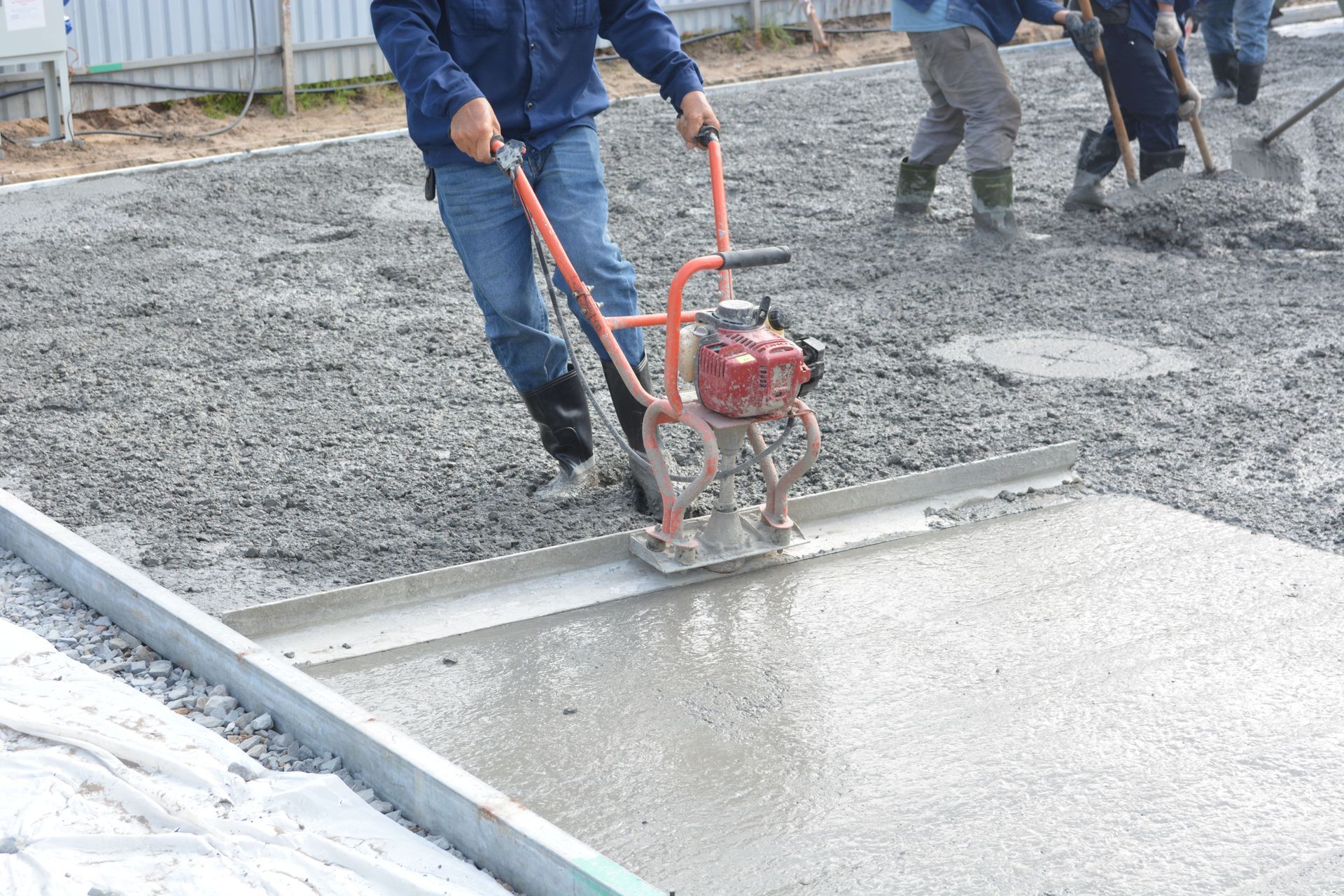
The flatwork process begins with excavation to proper depth, followed by base material installation and compaction. Forms establish accurate elevation and edge lines, while reinforcement placement prevents tensile stress from causing cracks. Proper concrete placement eliminates voids under the slab that would create weak points where settling occurs.
Once flatwork is complete, you'll see defined outdoor spaces with clean edges and consistent surfaces. Water runs off rather than collecting in depressions, and the concrete maintains its level plane without developing trip hazards at joints or cracks. Decorative finish options like stamped patterns or exposed aggregate add visual interest when standard broom finishes don't match your design goals, though these techniques require additional labor and affect project costs.
Quality flatwork includes control joints placed at intervals that account for surface area and expected expansion. Proper curing prevents surface dusting and increases resistance to freeze-thaw damage, particularly important for Tennessee's variable winter conditions. The finished surface should meet edges and existing structures cleanly without gaps that allow water infiltration or pest entry.
Answers to Frequent Service Questions
Property owners planning flatwork projects typically want to know about process specifics and timing considerations.
What's included in site preparation for flatwork?
Preparation involves removing existing material if present, excavating to proper depth, grading for drainage away from structures, and installing compacted gravel base that provides stable support and prevents settlement.
How do you prevent cracking in large patio slabs?
Control joints are tooled or saw-cut into the surface at planned intervals, typically every eight to ten feet, creating intentional weak points where concrete can crack in straight lines rather than random patterns.
What finish options work best for walkways?
Broom finishes provide good traction in wet conditions and suit most residential walkways, while smooth troweled surfaces work for covered areas where slip resistance matters less than appearance.
When is reinforcement necessary for flatwork?
Wire mesh or rebar reinforcement is standard for most flatwork installations in Tullahoma, helping concrete resist tensile stress from temperature changes and minor ground movement without developing structural cracks.
How does flatwork improve property functionality?
Level concrete surfaces connect different yard areas safely, provide stable foundations for outdoor furniture and equipment, eliminate muddy pathways during wet weather, and increase usable outdoor space for entertaining or recreation.
Local Concrete Services evaluates your property's specific grading and drainage conditions before recommending flatwork solutions. Call (931) 581-2159 to discuss your outdoor improvement needs and receive a project estimate.