
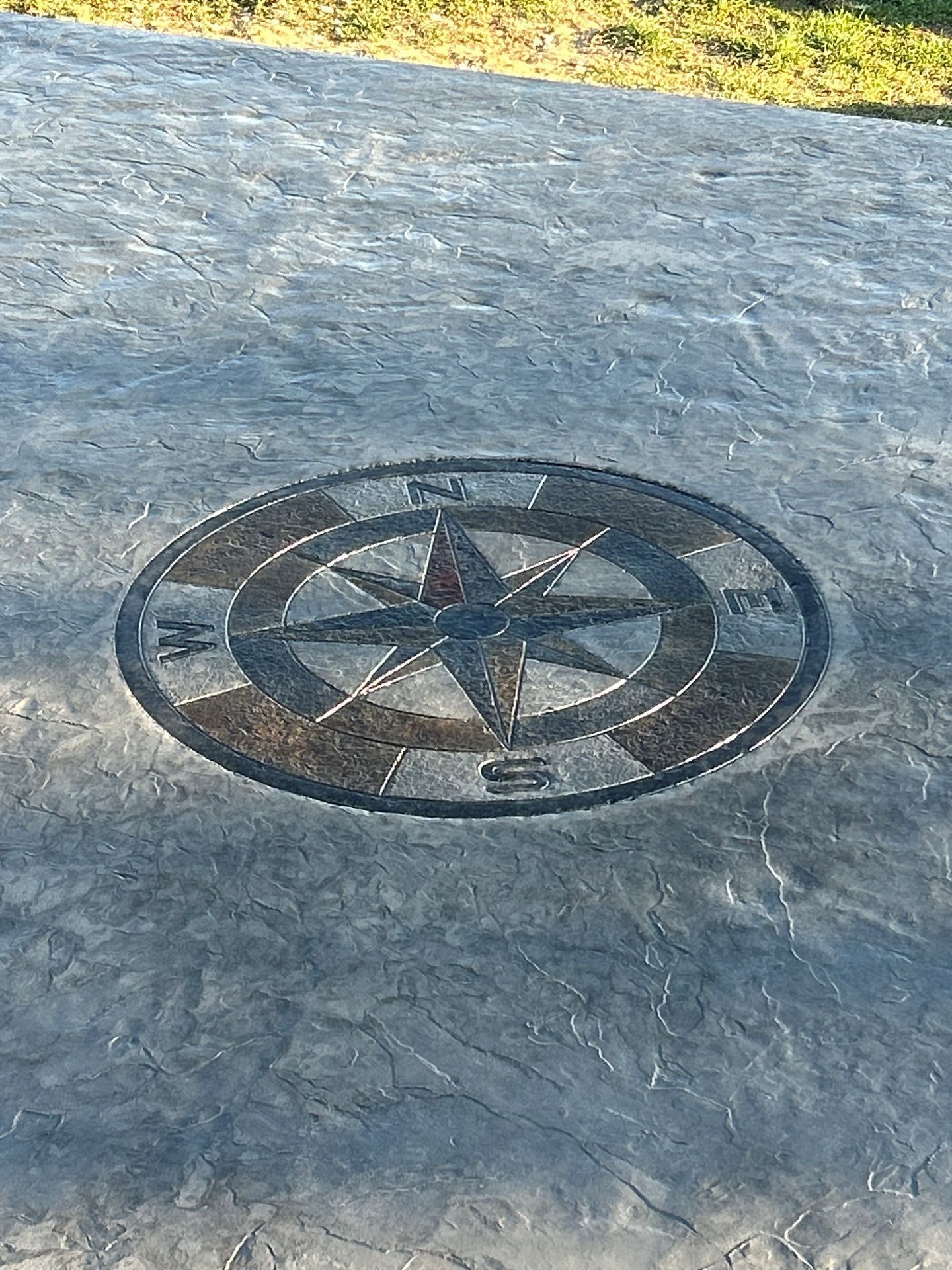
Patterns That Replicate Stone Without the Price
Stamped Concrete in the Tullahoma area for driveways, patios, and walkways where appearance matters as much as durability
Stamped concrete replicates the look of slate, cobblestone, wood planks, or brick by pressing texture mats into freshly poured concrete before it hardens, then applying color that highlights the pattern detail. Local Concrete Services installs stamped surfaces throughout Tullahoma, Lynchburg, Sewanee, and surrounding areas that deliver the aesthetic of premium materials without the maintenance issues—loose pavers, weed growth in joints, or individual stone replacement—that come with the real thing. Your driveway or patio looks custom and high-end, but you maintain it by hosing off dirt and resealing every few years instead of releveling settled pavers or replacing cracked stone.
The process involves pouring concrete at the correct consistency for stamping, broadcasting color hardener across the surface, pressing texture mats that imprint realistic patterns, and applying release agents that prevent the mats from bonding. Installers work quickly during the narrow window when concrete is firm enough to hold detail but soft enough to accept deep impressions.
Explore available design options by reviewing pattern samples and color combinations suited to your project.
The Difference Between Stamped Concrete and Natural Materials
Stamped concrete creates a monolithic surface with pattern and texture applied during finishing, eliminating the joints where pavers shift or weeds emerge and reducing the maintenance required to keep surfaces level and clean. Color can be integral throughout the concrete or applied as a surface hardener, and sealers protect the finish while intensifying color depth and sheen.
After installation cures and sealing is applied, you notice visual texture and color variation that mimics natural materials, but you walk on a continuous surface without tripping hazards from uneven pavers or gaps that catch furniture legs. The stamped pattern stays intact through freeze-thaw cycles and vehicle traffic, and cleaning requires only water and mild detergent instead of pressure washing to remove growth from paver joints.
Stamped concrete works for patios, driveways, pool decks, and walkways, but performs best on structurally sound subgrades without significant settling or heaving. If your soil has drainage issues or expansive clay that shifts seasonally, addressing those problems before stamping prevents cracks that interrupt the decorative pattern.
Common Questions About This Service
Homeowners considering stamped concrete want to understand how the material performs compared to alternatives and what pattern choices make sense for their specific application.
How is color applied to stamped concrete?
Color hardener is broadcast across the wet concrete surface and troweled in during finishing, or integral color is mixed throughout the concrete before pouring. Release agents applied before stamping add accent tones that create depth and highlight texture detail in the pattern.
What patterns work best for driveways versus patios?
Larger patterns like ashlar slate or flagstone suit driveways and expansive patios where the scale matches the area size, while smaller brick or cobblestone patterns fit walkways and entryways. The pattern should complement your home's architectural style and existing materials.
Why does stamped concrete need sealing?
Sealers protect the color from UV fading and surface wear, reduce moisture absorption that can cause freeze-thaw damage, and make cleaning easier by preventing stains from penetrating the concrete. Resealing every two to three years maintains appearance and extends surface life.
How does stamped concrete hold up to Tennessee weather?
Properly mixed and cured stamped concrete with air entrainment resists freeze-thaw cycles, and sealed surfaces shed moisture instead of absorbing it. The monolithic construction prevents the settling and frost heave issues common with segmented paver systems in this region.
What maintenance does stamped concrete require long-term?
Routine cleaning with water and mild soap removes dirt and organic matter, while resealing every few years restores surface protection and color vibrancy. Avoid deicing salts during winter, as they can damage the surface and discolor the finish.
Local Concrete Services offers stamped concrete in patterns and colors that match your property aesthetic while delivering the durability concrete provides. Request a design consultation to review samples and discuss layout options for your specific project.